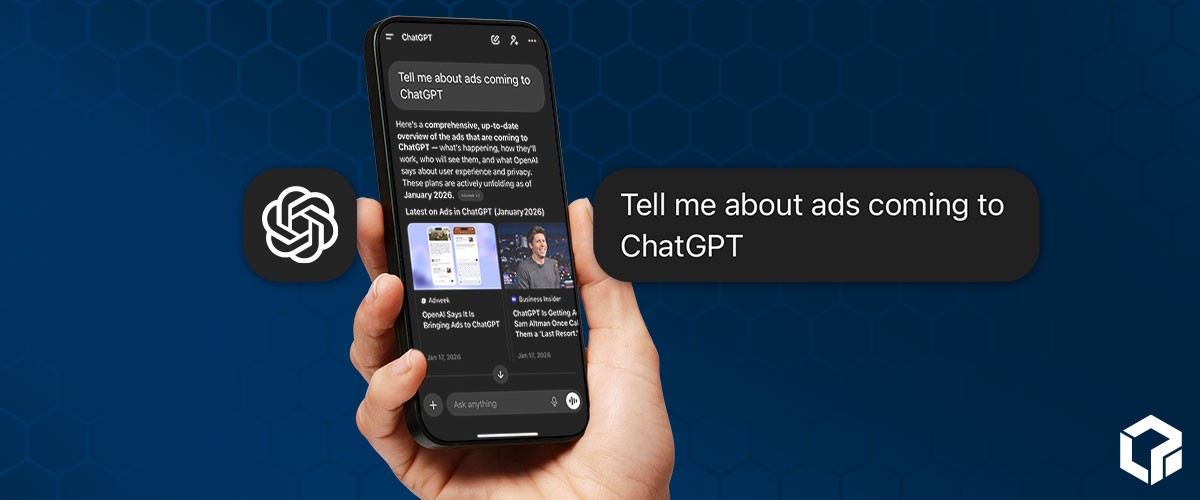
Picture this: someone opens ChatGPT and types "best running shoes for flat feet." Ten seconds later, right under the answer, there's a small sponsored card from a shoe brand. Not an interruption. Not a pop-up. Just there, at exactly the right moment, answering the next question before it's even asked.
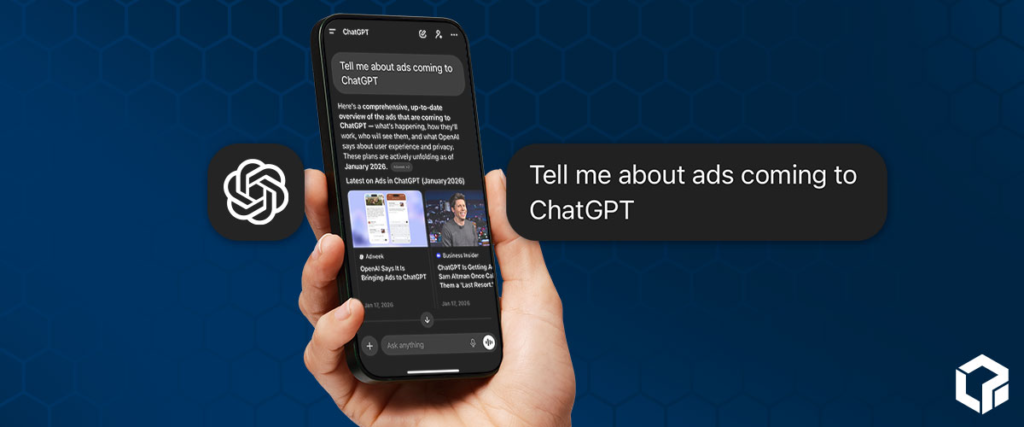
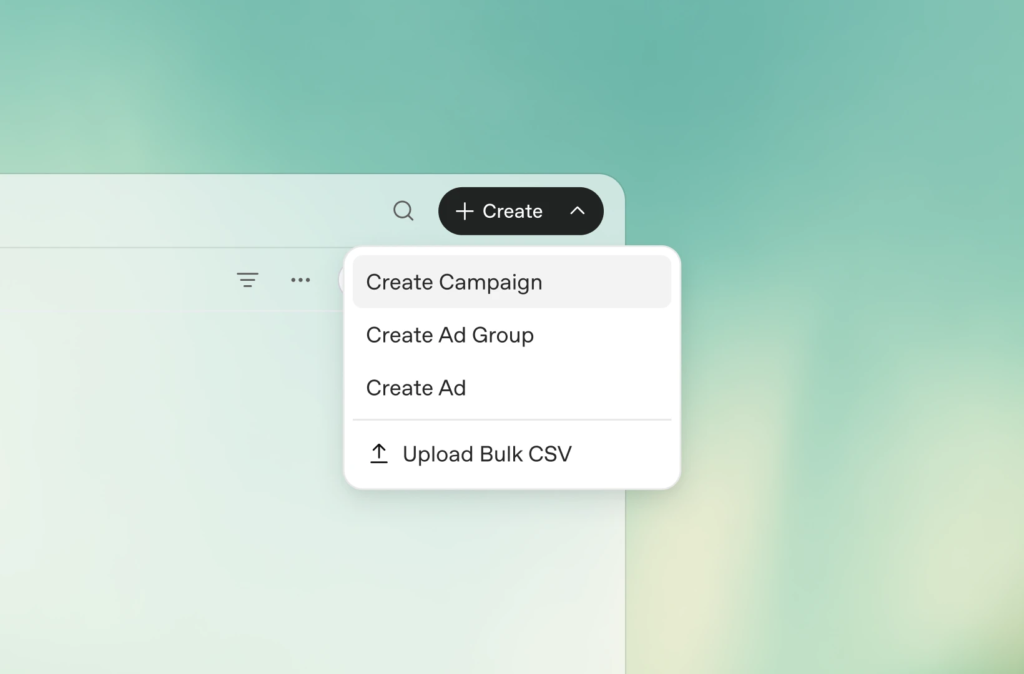
That's not a hypothetical anymore. As of May 5, 2026, OpenAI opened ChatGPT advertising to everyone. No $200,000 minimum spend. No invite lists. No waiting around for a rep to call you back. Just a self-serve dashboard, a billing account, and access to hundreds of millions of people typing their actual problems into a text box every single week.
This is the moment marketers wait years for. A brand-new advertising channel, with real scale, appearing almost overnight. Google Ads has been around since 2000. Meta Ads since 2007. Amazon Ads since 2012. Each of those platforms had a quiet window early on when the cost of getting attention was low and almost nobody outside a small circle of early adopters understood how to use them well.
Nobody remembers the marketers who waited two years to try Google Ads. Everyone remembers the ones who got in during the first six months and built a business on top of it. ChatGPT Ads, in their fully open form, have existed for a matter of weeks. That gap between "this exists" and "everyone knows how to use it" is exactly where the advantage lives, and it never lasts long once a platform matures.
This guide walks through exactly how to launch your first campaign, what it actually costs, what the platform expects from you before you even get started, and the mistakes that will quietly burn through your budget if nobody warns you about them first.
Forget everything you know about banner ads and keyword bidding for a second, because this genuinely doesn't work the same way.
When someone asks ChatGPT a question with obvious buying intent, something like "what's a good CRM for a ten-person team" or "best budget laptop for college," ChatGPT can surface a clearly labeled sponsored card underneath its normal answer. It's called a chat_card, a compact unit with a title, a short description, an image, and a link back to your site. It sits below the response, not inside it, and it's always labeled as sponsored so there's no confusion about what's an ad and what's ChatGPT's own answer.
ChatGPT's actual response is generated completely independently of who is paying to advertise, which means the model isn't quietly nudged toward recommending a sponsor's product. The ad is a separate, clearly boxed unit underneath, and that separation is deliberate. It protects the trust users have in the answer itself, which is ultimately what makes the ad worth showing in the first place.
Instead of bidding on search terms the way you would with Google, ChatGPT reads the shape of the conversation itself, and if the user has memory enabled, some of their relevant past conversations, to judge whether your product is actually relevant to what they're trying to solve right now. There's no keyword list to game here, and no way to stuff in popular search terms that don't really apply to your product just to capture extra traffic.
Only people on the Free tier and the Go tier, which costs eight dollars a month, ever see sponsored cards. Anyone paying for Plus, Pro, Team, or Enterprise never sees an ad at all, full stop. That means your total addressable audience is smaller than, say, Google's entire index of the internet. But it's arguably a more concentrated one. These are people who haven't yet decided to pay to remove ads from their experience, and the moment they see your card, they are actively typing out exactly what they want rather than passively scrolling through a feed.
Every new advertising platform goes through a window where costs are unpredictable, competition is thin, and nobody is entirely sure yet what a good campaign even looks like. That window is open right now, and it won't stay open forever.
A few things make this window worth stepping into:
There's also a novelty factor that's easy to underestimate. Every single person who sees a chat card right now is seeing this ad format for the very first time in their life, and that freshness fades fast. It tends to produce unusually strong engagement while it lasts, simply because nobody has built up ad blindness toward it yet.
None of this means its easy money. It means it's untested, and that cuts both ways. You're operating without years of benchmark data to lean on, without a mature understanding of what creative works best, and without the kind of automated optimization tools that Google and Meta have spent over a decade refining. Going in with clear eyes about that trade-off will save you a lot of frustration later.
Walking into Ads Manager unprepared is how people waste their entire first campaign learning things they could have figured out in advance.
Get your business verification documentation together, since OpenAI requires a verified business before any ads can run and this step can take some back and forth. Have a billing method ready to go, and more importantly, have a landing page that actually matches what someone coming out of a ChatGPT conversation would expect to land on, not your generic homepage that tries to be everything to everyone.
You'll also want a single, tight piece of creative ready before you start clicking through the setup flow: one headline, one short description, one image, and one destination link. Resist the urge to prepare five different offers at once, since a scattered first campaign makes it much harder to tell what's actually working.
Go in with a realistic test budget that you are genuinely comfortable losing entirely. Early ads here are tuition, not a guaranteed return, and treating your first few hundred dollars that way will keep your expectations sane while you learn how the platform behaves.
Here's the number that tends to surprise people the most: ChatGPT Ads are not cheap yet, despite the excitement around the no-minimum-spend rollout.
CPMs sitting around twenty-five dollars are meaningfully higher than Google's Display Network, which typically runs somewhere between two and five dollars, or Meta, which usually lands somewhere between six and ten dollars for comparable reach. That gap changes the kind of campaign this platform is actually good for. It isn't yet built for running a broad, low-cost awareness campaign across a huge audience. It's better suited to a focused, small test built around a product that genuinely fits high-intent conversations, the kind of considered purchase someone actually researches before buying, rather than an impulse buy you'd promote through a cheap, wide-reaching feed ad.
A few patterns are already emerging from early advertisers on the platform.
Write like you're answering a question, not selling something, and match your landing page to the exact moment someone is in rather than sending them to your homepage. Start narrow with a single product or offer before trying to run everything at once, since the platform rewards precision over breadth right now.
Test more than one version of your creative, because small differences in tone seem to matter more here than on more established platforms, simply because the bar for feeling natural is higher. And respect the sensitive topic boundaries OpenAI has built in. Health, mental health, and political categories are excluded from ad placement entirely, and trying to work around that only slows down your review.
The single biggest mistake is treating this like Google Ads. There's no keyword bidding here, so trying to target exact phrases the way you would in search will get you nowhere and will waste money trying to force a fit that doesn't exist.
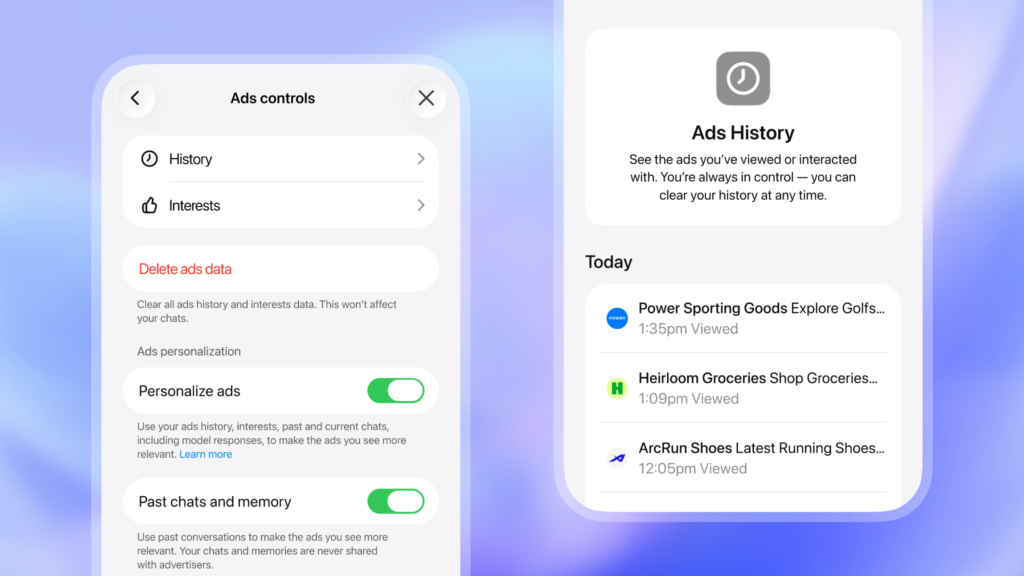
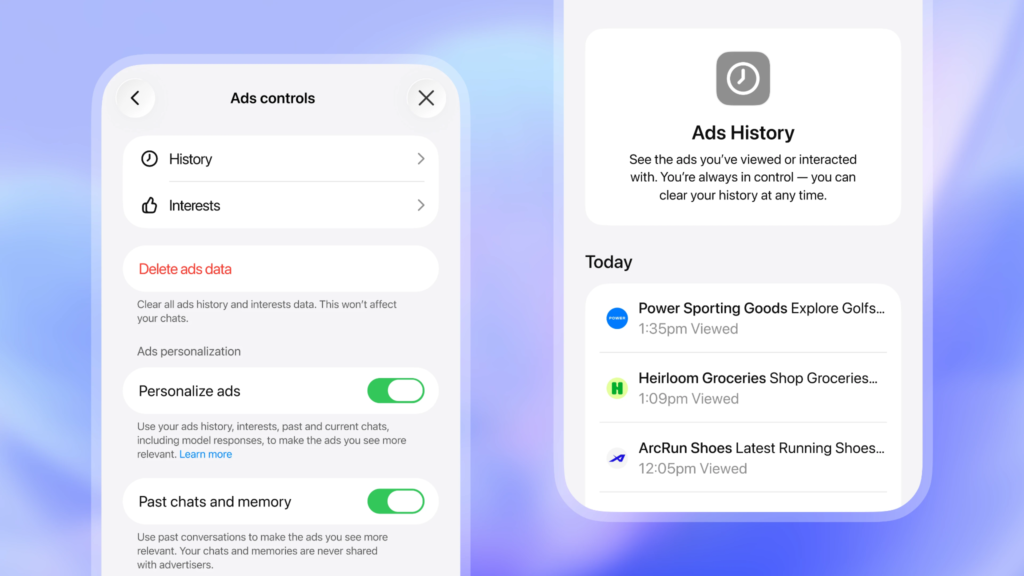
OpenAI shares no conversation-level data with advertisers, and all reporting is aggregated, closer in spirit to connected-TV measurement than to the granular, click-by-click analytics you might expect from a search platform.
This platform doesn't have years of historical benchmarks behind it yet, so your first month should be treated as a controlled experiment rather than the beginning of a scaled rollout you're locked into. And don't assume conversion-based bidding is fully built out, because it isn't quite there yet. You can track conversions, but bidding automatically toward a conversion goal is still an emerging feature, so for now, plan around clicks and engagement.
Keep your success metrics honest and simple:
There's one more that matters just as much. Ask yourself whether the creative feels like a natural part of the conversation or whether it feels like an ad that snuck in where it doesn't belong. That instinct matters most here, because a chat card that reads as an intrusion will underperform regardless of how well you've targeted it.
A single day of data on a brand-new platform with a brand-new audience tells you very little. Give a campaign at least a week of real running time before making any real judgment about whether it's working.
Early access to an audience with clear intent, low competitive noise, and the chance to build real institutional knowledge before your competitors even realize the platform is worth taking seriously. Nearly every new advertising platform in history has rewarded the marketers who showed up in year one.
If your business depends on tightly measured return on ad spend from the very first dollar, this may not be the right platform for you just yet.
Honestly, the answer depends entirely on your appetite for experimentation. If you can treat your first few hundred dollars as a learning cost rather than a guaranteed return, the upside of being early is real and worth pursuing.
ChatGPT Ads are not simply a bigger, shinier version of Google Ads. They're something genuinely new: an ad format that lives inside a conversation and succeeds or fails based on whether it feels like a natural next step rather than an interruption. That's a different skill than writing a search ad or a social carousel, and the marketers who take the time to learn it now, while the platform is still young, will have a real head start over everyone who waits until it's obvious.
Start small. Pick one product. Write one honest, conversational chat card. Watch it closely for a week, then decide whether to scale. Panzi Digital Agency helps law firms, medical practices, accounting businesses, and other companies across the country with Google Ads, Local Service Ads, SEO, website design, social media marketing, content marketing, and now ChatGPT Ads, strategies built to bring in qualified leads, not just clicks. Ready to launch your first ChatGPT Ad the right way? Contact Panzi Digital Agency today for a free strategy session.

A dependable and detail-oriented professional, Fiona excels at managing digital projects and ensuring outstanding client experiences. Skilled at coordinating tasks, streamlining workflows, and solving challenges efficiently, she thrives in dynamic environments where precision and client satisfaction are key. At Panzi Digital Agency, Fiona ensures projects run smoothly from start to finish, helping clients achieve their goals through effective and seamless digital solutions.